Landscape photography · Sierra Nevada, California
Chasing First Light in the Eastern Sierra
On the fleeting color that transforms a mountain landscape, and the quiet work of noticing it.
September 23, 2026 · 4 min read
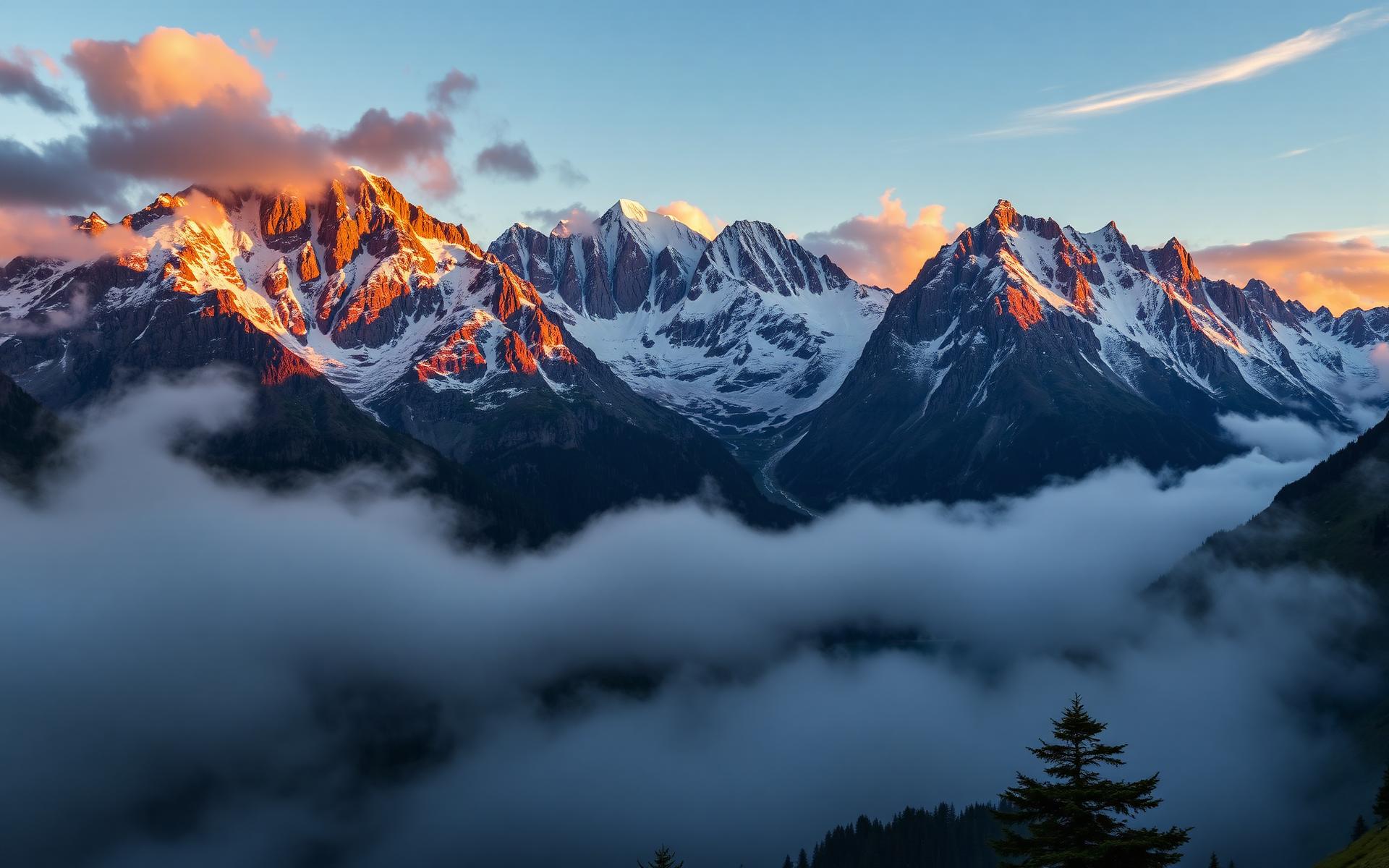
Before sunrise, the mountains can feel almost without color. Ridges become silhouettes, valleys disappear into shadow, and the sky offers only a hint of what is coming. Then a first line of warmth finds the highest peaks. For a few minutes the landscape belongs to two times of day at once.
In the Eastern Sierra, that contrast can be especially striking. The range rises abruptly from the valley floor, giving early light a long journey across stone and snow. The result is not simply a brighter scene; it is a change in shape. Faces of rock that were flat in the dark begin to reveal texture, while the spaces between them stay cool and still.
Photographing this transition asks for more than arriving at sunrise. The direction of light matters, but so does the position of a cloud bank, the outline of a foreground ridge, and how much of the dark to leave in the frame. A compelling landscape often comes from giving the eye somewhere to rest rather than trying to include everything.
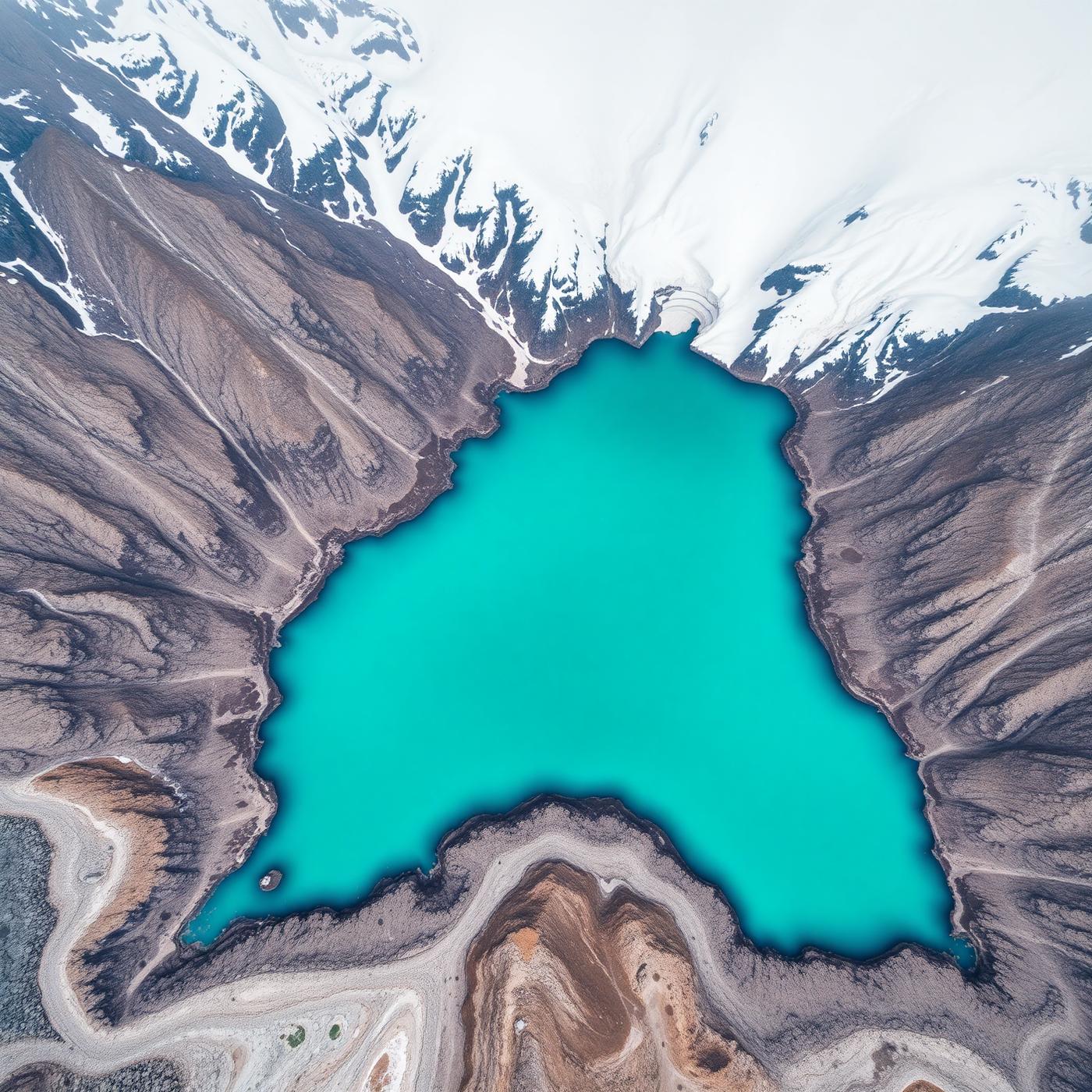
The most memorable light is rarely the loudest. Sometimes it is a narrow band on one summit, or the moment clouds part just enough to reveal a distant slope. Those small changes are easy to miss when the goal is only to capture a dramatic sky.
That is what makes first light worth returning to: not the promise of the same picture again, but the certainty that it will be different. A photograph can keep one version of that passing moment close, long after the valley has changed color.
Bring the landscape home
A place to return to.
Discover ScenicAllure fine-art prints created to bring the feeling of the outdoors into your space.
Interested in licensing this image? Get in touch to discuss usage.
Continue reading