Photography notes · Waterfalls & moving water
The Long Exposure — A Beginner’s Guide
A practical introduction to photographing the passage of time in moving water.
September 23, 2026 · 4 min read
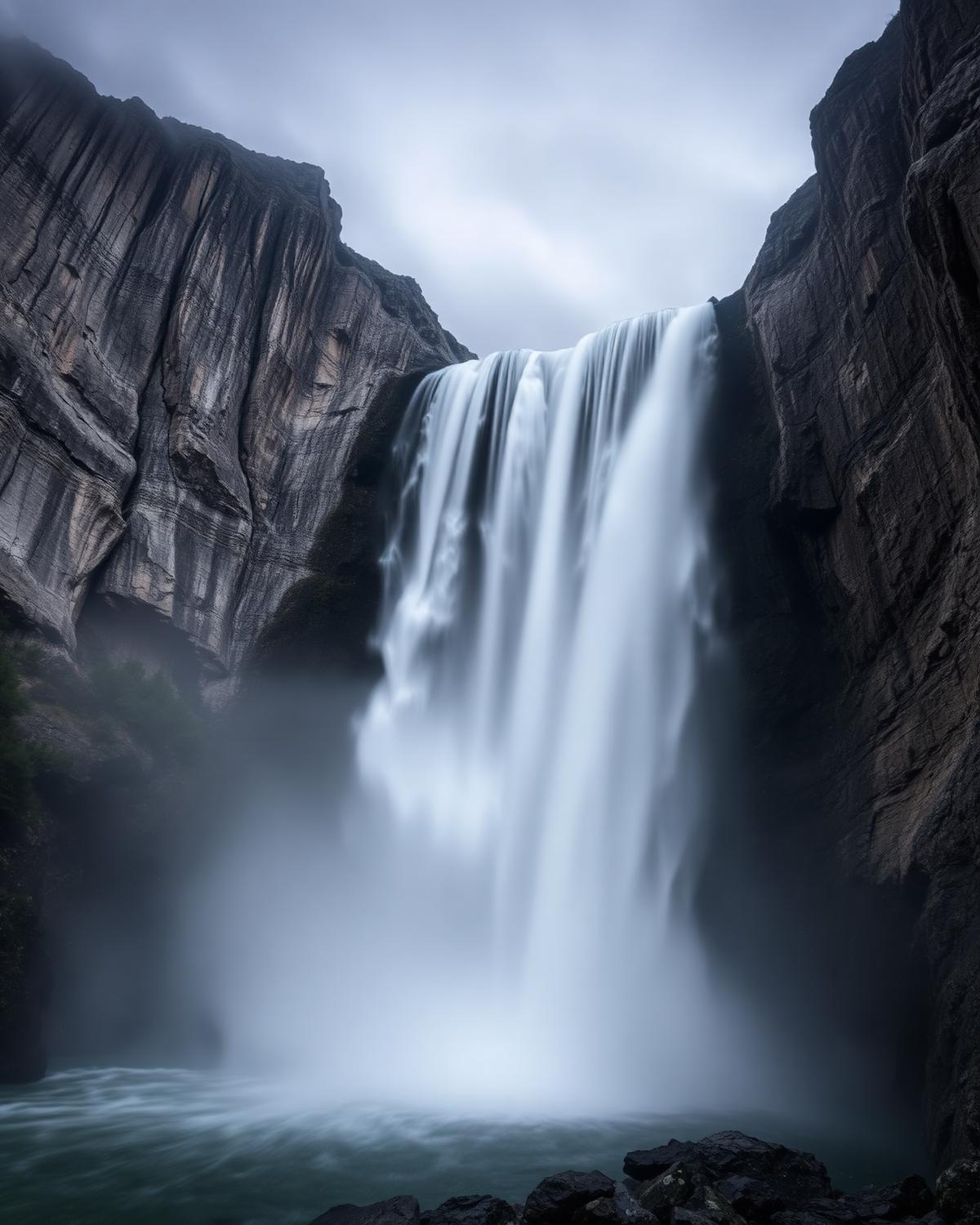
A long exposure records more than a single instant. When the shutter stays open, moving water becomes a trace of its own motion while the rocks and trees around it remain still. The effect can feel peaceful, but it works best when the photograph keeps enough detail to show where that water is going.
Start with a stable camera. A tripod is helpful; a rock or other secure surface can also work. Set a low ISO, use a small aperture when appropriate, and begin with a shutter speed around a quarter of a second. Review the image before going slower. Every stream moves differently, so there is no single correct exposure time.
Bright conditions may call for a neutral-density filter, which reduces incoming light without changing the scene's color. A timer or remote release can help avoid shake when pressing the shutter. If the water turns featureless white, shorten the exposure or reduce the light: texture often makes the image more interesting than complete blur.
The useful question is not how long the shutter can stay open, but what the chosen duration says about the place. A fraction of a second can hold energy in a cascade. Several seconds can turn it into a quieter line through the landscape.
Experiment in small steps, keep an eye on highlights, and let the water decide. Technique serves the feeling of the scene, not the other way around.
Bring the landscape home
A place to return to.
Discover ScenicAllure fine-art prints created to bring the feeling of the outdoors into your space.
Interested in licensing this image? Get in touch to discuss usage.
Continue reading